Sandra Brown was born in Bradford in 1961. In her early years, she lived on Apsley Crescent off Bradford’s well-known Lumb Lane among a thriving community of Caribbean immigrants – many of whom had made Bradford their home after travelling to the UK as part of the Windrush generation. Sandra recalls a sense of solidarity within the community, with many people sharing childcare while working multiple jobs.
Later, Sandra’s family moved to the Newby Square housing estate in West Bowling, which was another hub for Bradford’s African-Caribbean community.
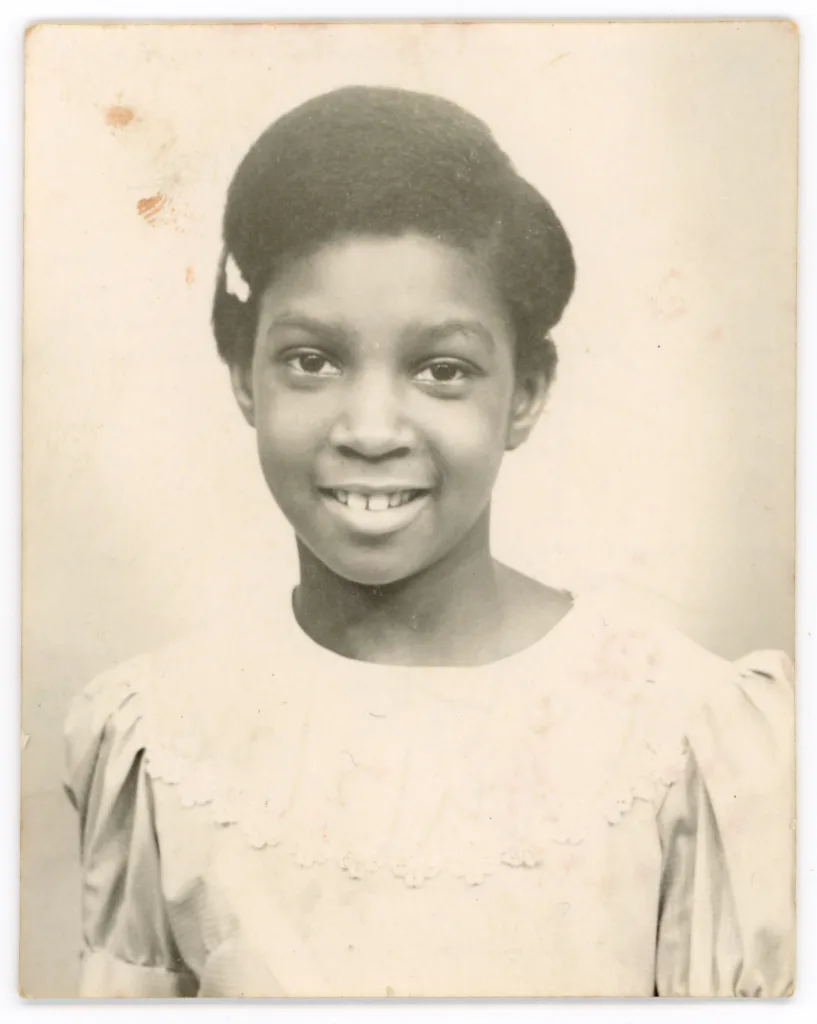
In 1970, when Sandra was nine years old, the family moved back to Jamaica as her mother felt increasingly homesick. They travelled on the Monsteratt, a Spanish passenger ship and the journey lasted 3 weeks.
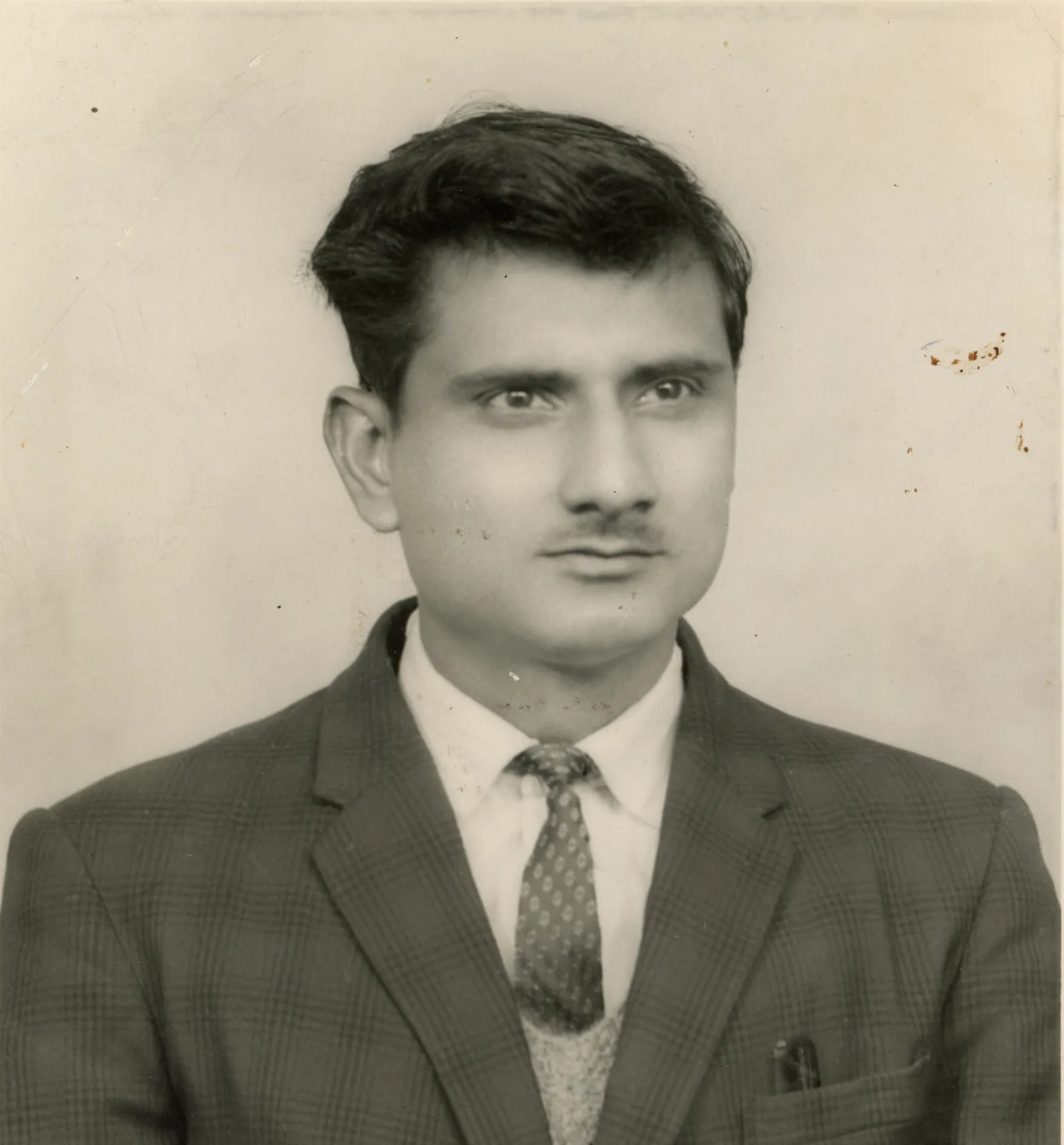
The image on the left shows Sandra’s passport photograph, taken for the trip to Jamaica.
Sandra was close to her two brothers at the time, Mweya Masimba (whose birth name was Brian), Paul (whose birth name was Errol). She specifically remembers Mweya being very mischievous on the ship when travelling.
When the family arrived in Jamaica, Sandra experienced a culture shock, finding it hard to adjust to a new home. School was very different to what she was used to back in Bradford. Teachers used the cane as a form of punishment, and Sandra and her brothers stood out with their British accents.
Despite the dramatic change in climate, and missing events like traditional Christmas celebrations in the UK, Sandra valued the time she was able to spend with her family in Jamaica. The country had a rich culture with a lively reggae music scene in the 1970s.
However, towards the end of the 1970s political tensions emerged between the Jamaican Labour Party (JLP) and the People’s National Party (PNP). As these two parties fought for power, their respective supporters formed gangs and violence spread. Many gang members would recruit young men to their political cause and Sandra’s mother, Joyce, became worried that her sons were at risk of becoming recruited into a political gang. In 1980, Joyce made the bold decision to move her family back to Bradford.
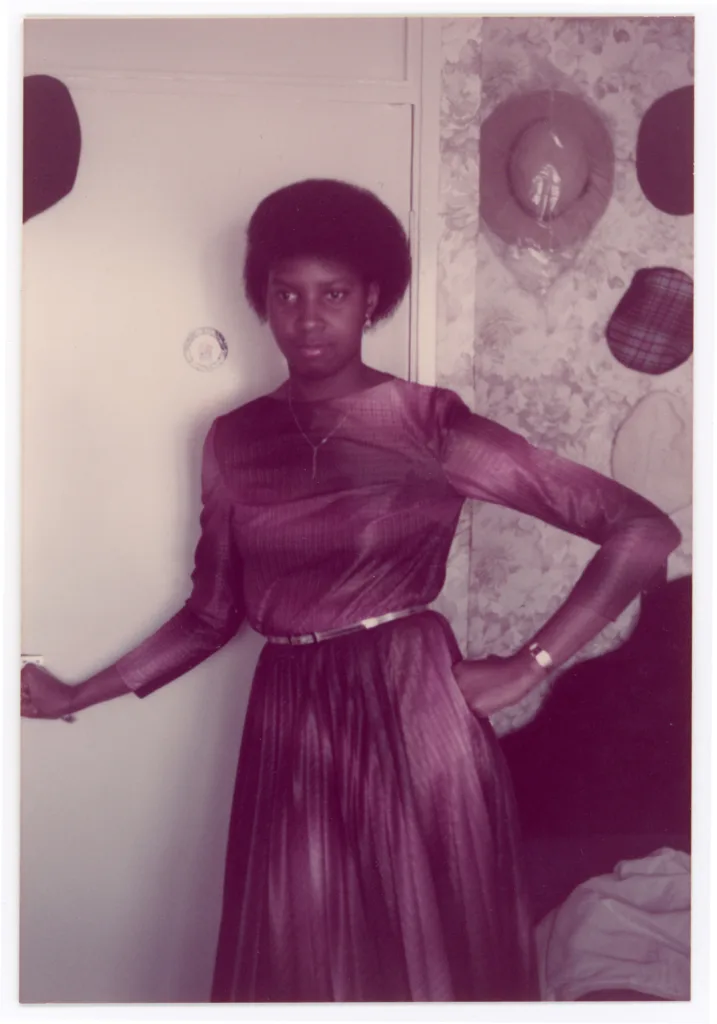
Sandra was 20 years old when the family moved back to Bradford and she had mixed feelings about returning to a place where she had fewer friends and family. The move was bittersweet, things had changed a lot in Bradford but despite initial apprehension, Sandra remembers that Bradford felt like ‘the place to be’ in the 1980s.
Sandra soon began working at the renowned Rackham’s department store on Market Street where she formed close friendships with her coworkers. She describes a ‘family’ feeling to the department store, with the management always looking after the staff.
Sandra also moved back to the tight-knit community in Newby Square. The estate was a thriving place in the 1980s, alive with music and a neighbourhood where everybody knew each other.
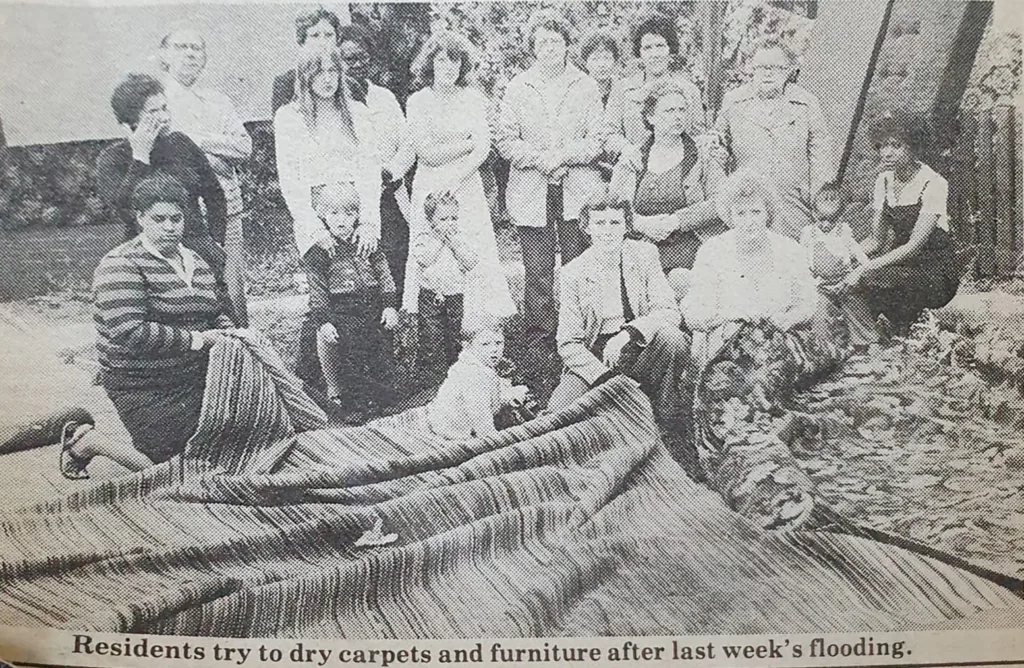

At the heart of the community was MAPA, the Margaret Macmillan Adventure Playground Association. MAPA was first created to provide activities for children and young people living in Newby Square and later became a community hub for young people. Its events brought everyone on the square together; in particular MAPA held a People’s Day event every year, a celebration of black culture and community, bridging gaps between different cultures and multi-generational communities.
MAPA inspired many young people through creative activities, music and drama and Sandra’s brother, Mweya, became part of the flourishing music scene in Bradford. He joined a reggae group that later became the band Creation Roots whose first single was called ‘Selassie I Live’.
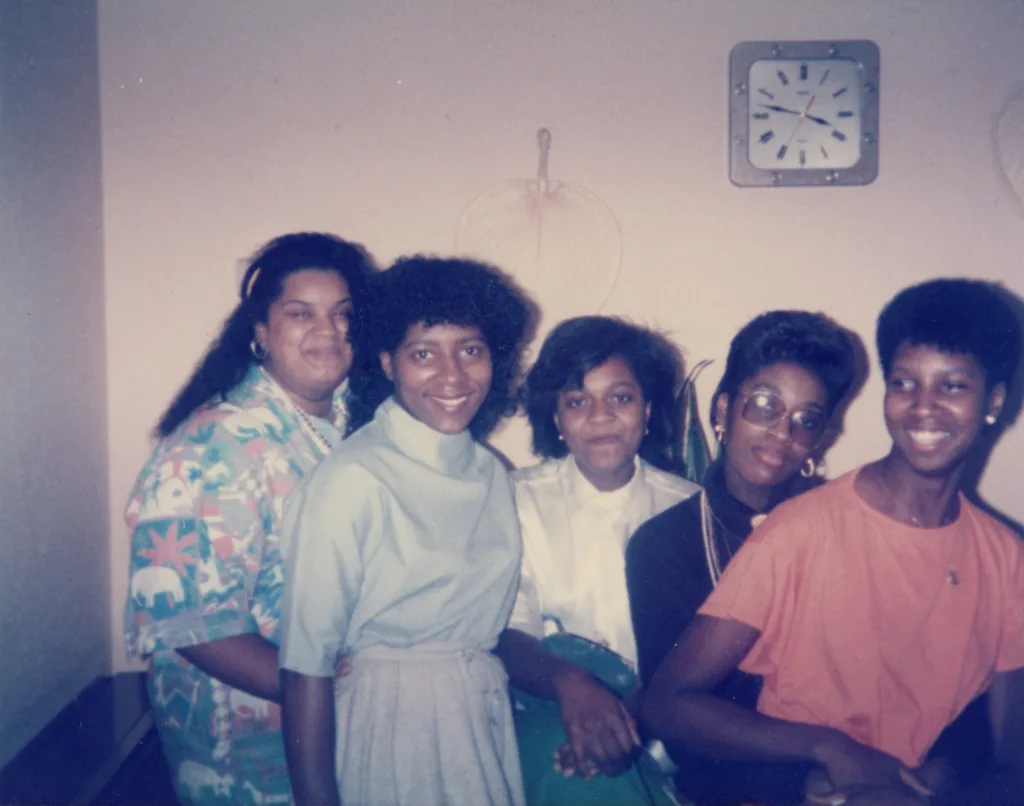
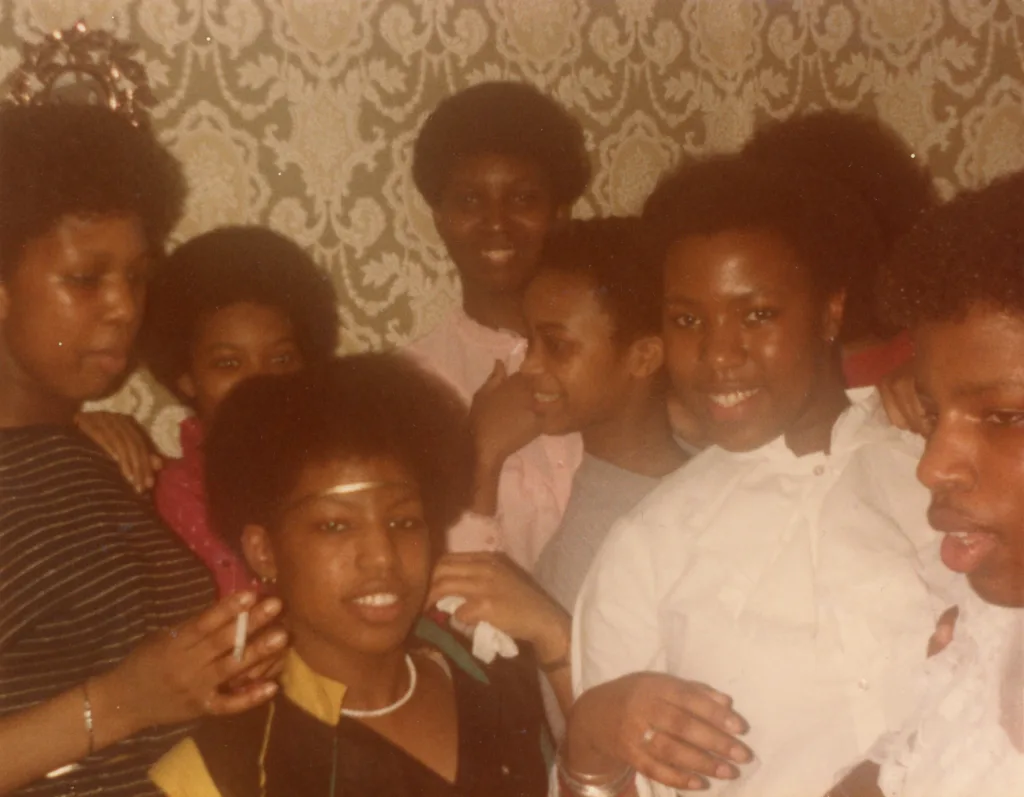
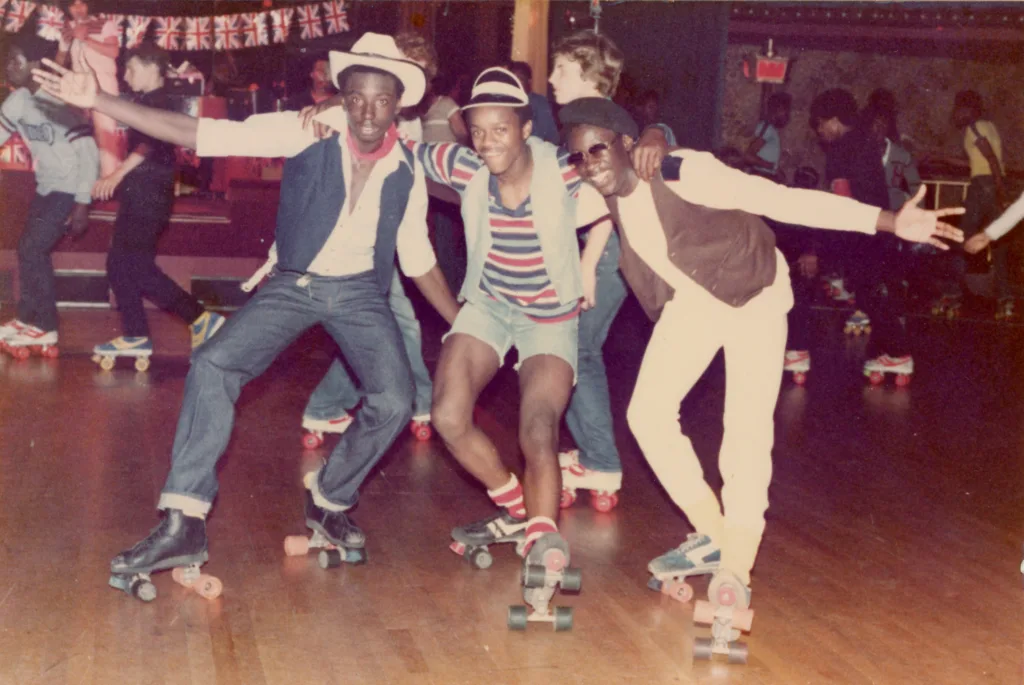
Throughout the 1980s, Bradford’s town centre had a dynamic nightlife, with different music nights including reggae, soul and RnB at most nightclubs which Sandra attended with her friends. In particular, she remembers visiting the popular nightclub Dollars and Dimes, on Manningham Lane, which went through many transformations.
As well as nights out in Bradford, parties at Newby Square were common. In this picture Sandra is celebrating her 21st birthday alongside her brother Mweya’s 18th.
Sandra later left her job at Rackham’s department store and went on to study at Ilkley College and Bradford University. She studied Consumer Health and Community Studies, leading to a job with Bradford Alliance for Community Care, which later became Equality Together in Bradford where she worked for 23 years. Equality Together is a local user-led organisation for disabled people, their carers and families. Forever passionate about communities and access to culture, Sandra has recently worked as a Volunteer Access Coordinator for Bradford 2025 UK City of Culture.
With a life lived between Jamaica and the UK, Sandra Brown’s story reflects the resilience and vibrant community life inherent in the experience of Caribbean migration to Britain during the Windrush era. Her passion for family, as well as building and sustaining community through music and celebration, continues today through her involvement in the Reggae Choir run by the African Caribbean Achievement Project. Sandra also plays an active volunteering role in helping to run the African Caribbean Wellbeing Café. Through these activities, Sandra continues to nurture the same spirit of belonging, adventure and joy that has shaped her life and helped generations of Windrush families turn new places into home.
This text was written by Bradford Young Curator Esther Hill. Esther met Sandra Brown at the African Caribbean Wellbeing Cafe a vibrant elders group that provides culturally appropriate activities and information for the African Caribbean community across the city of Bradford.