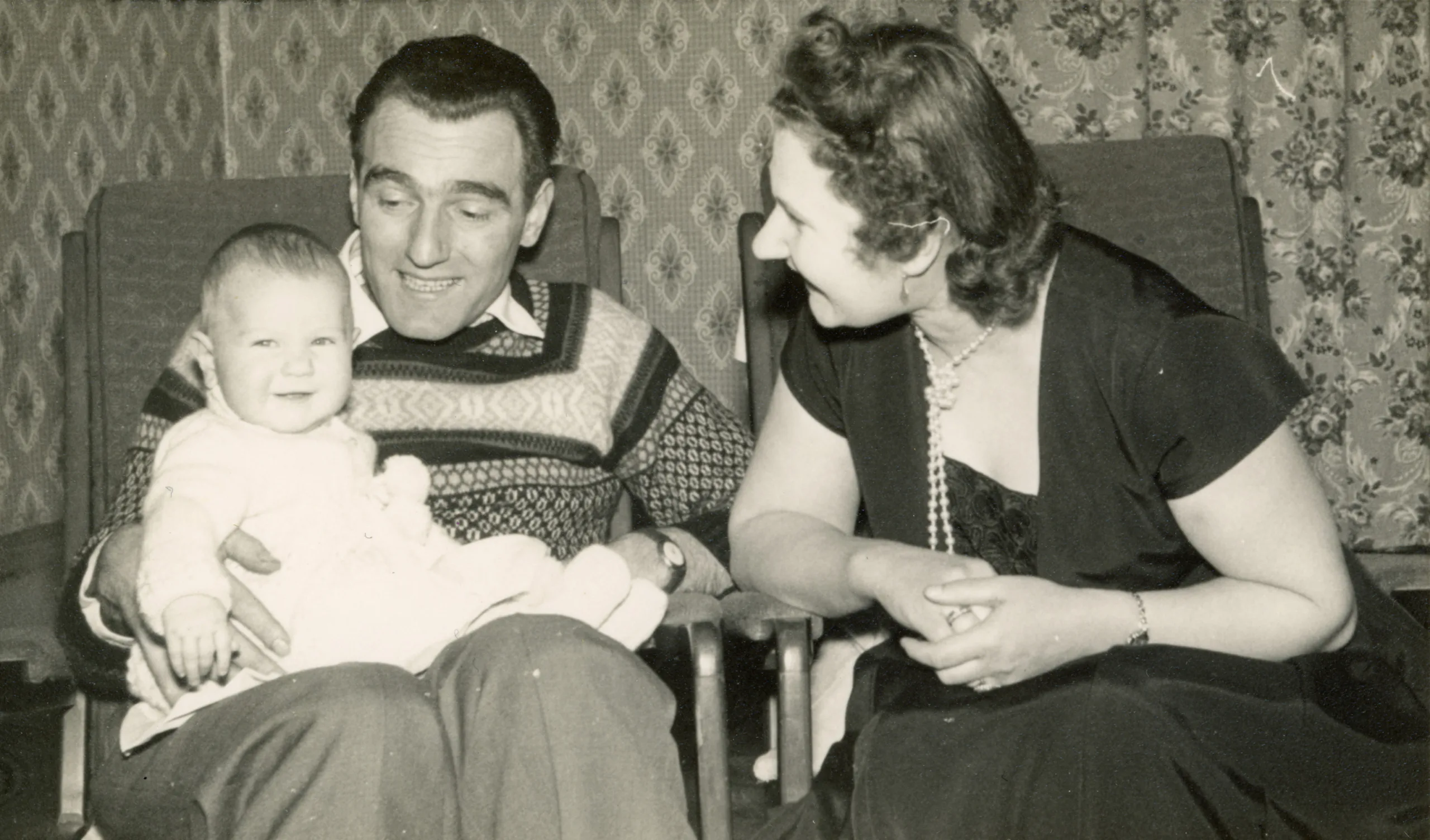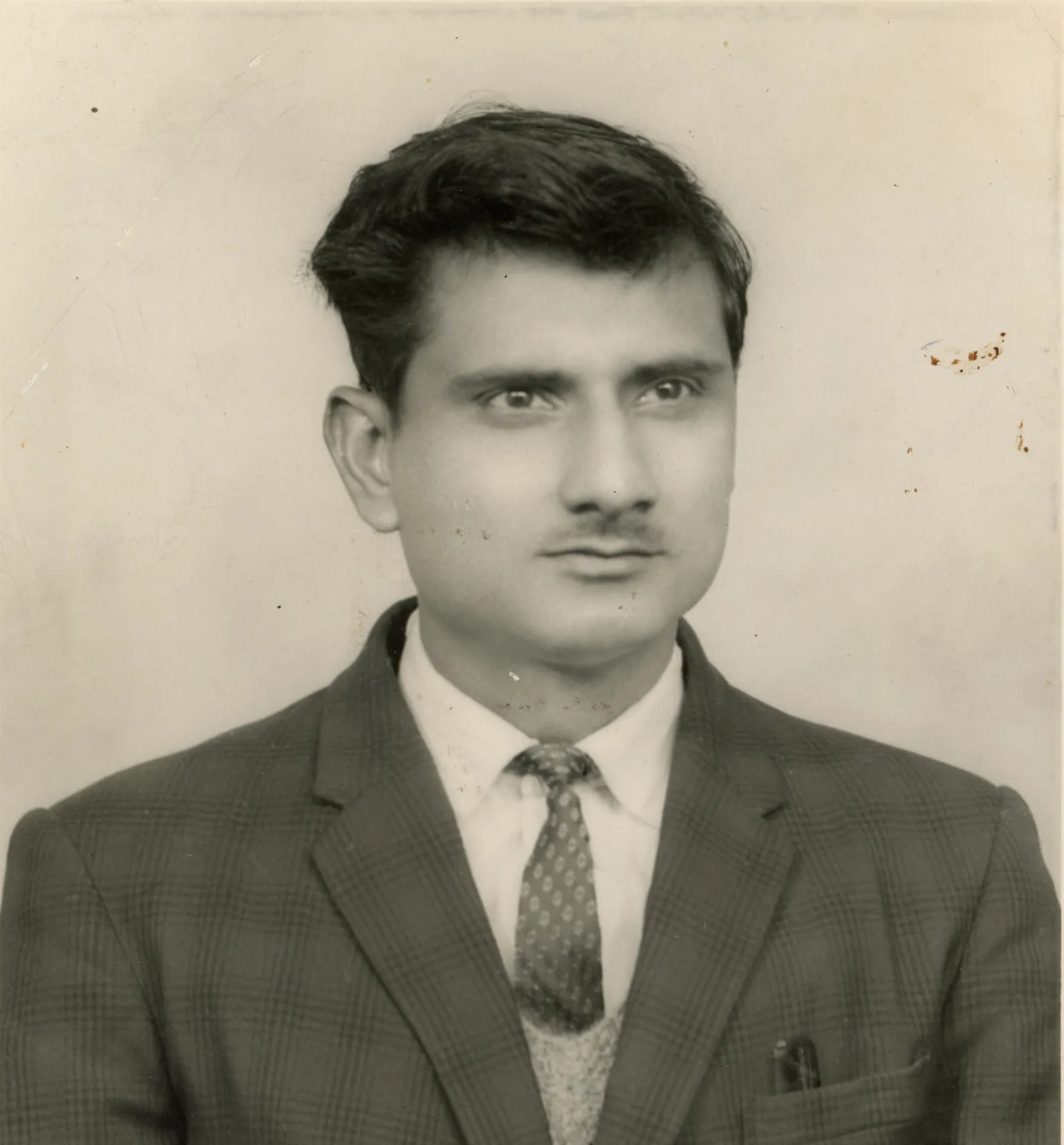
Eric Hall was born on 13 May 1930 to Connie and Harry Hall. The oldest of three children, Eric’s boyhood was framed against the backdrop of World War Two, feeling the absence of a father who went away to war and facing sacrifice like many others of the era.
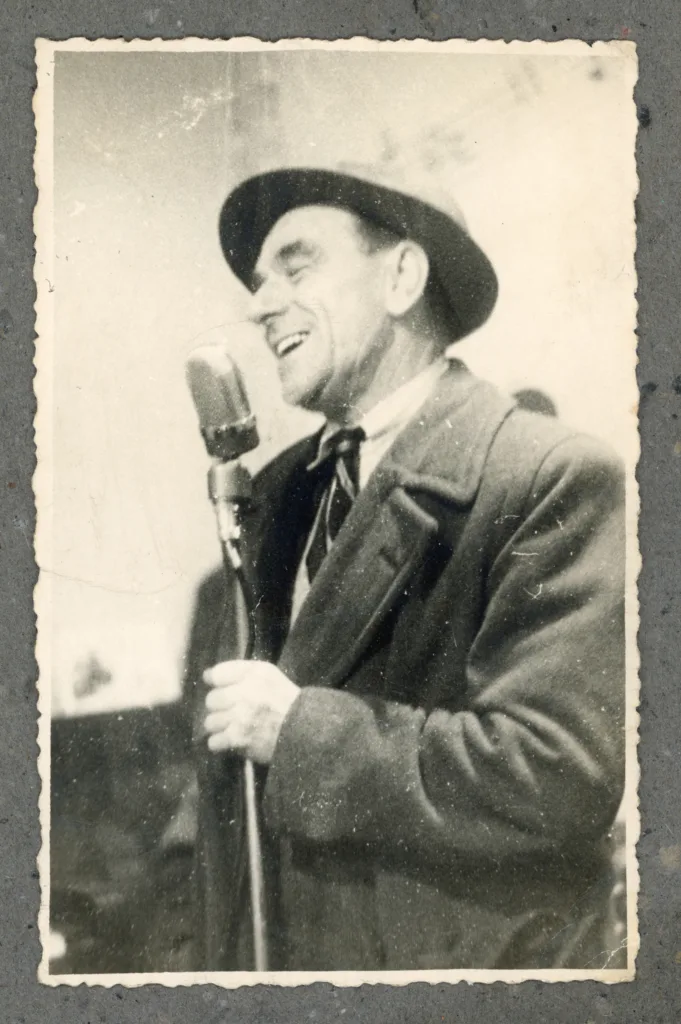
After the war, and Harry Hall’s safe return, the family settled to life in their council house in Bierley, South Bradford. Harry worked in the mills by day, but took to the working men’s clubs and music halls by night as a singer and entertainer.
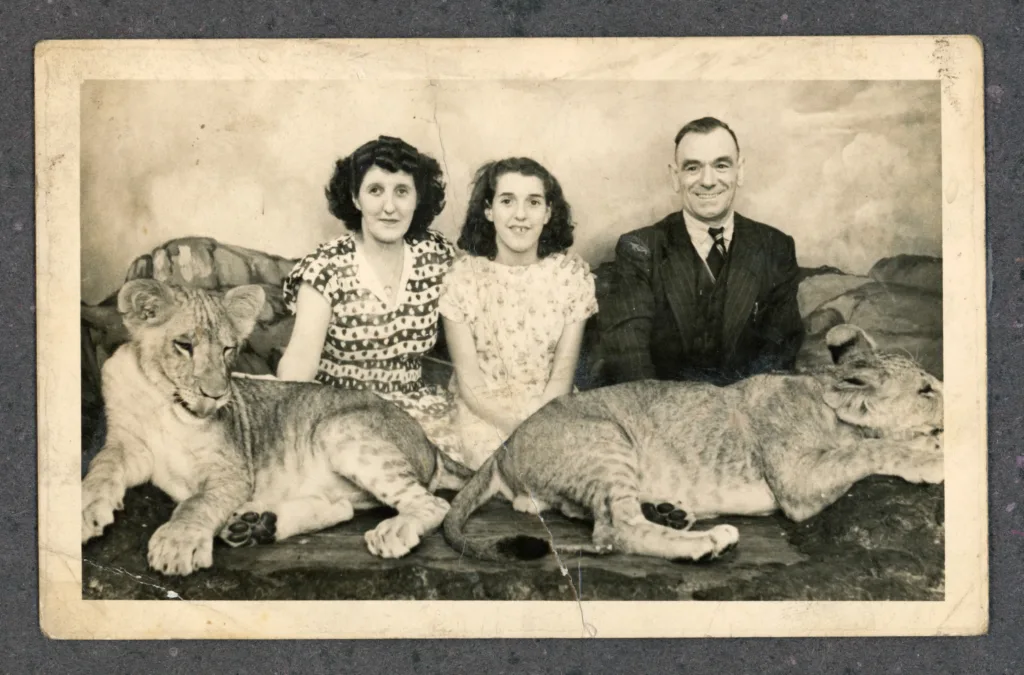
Eric had two younger siblings, Rita and Alan, and the family lived a typical post-war working-class life, where hard work and family conflicts were the norm. This said, the family found time for play too, taking occasional holidays to Blackpool and visiting the circus.
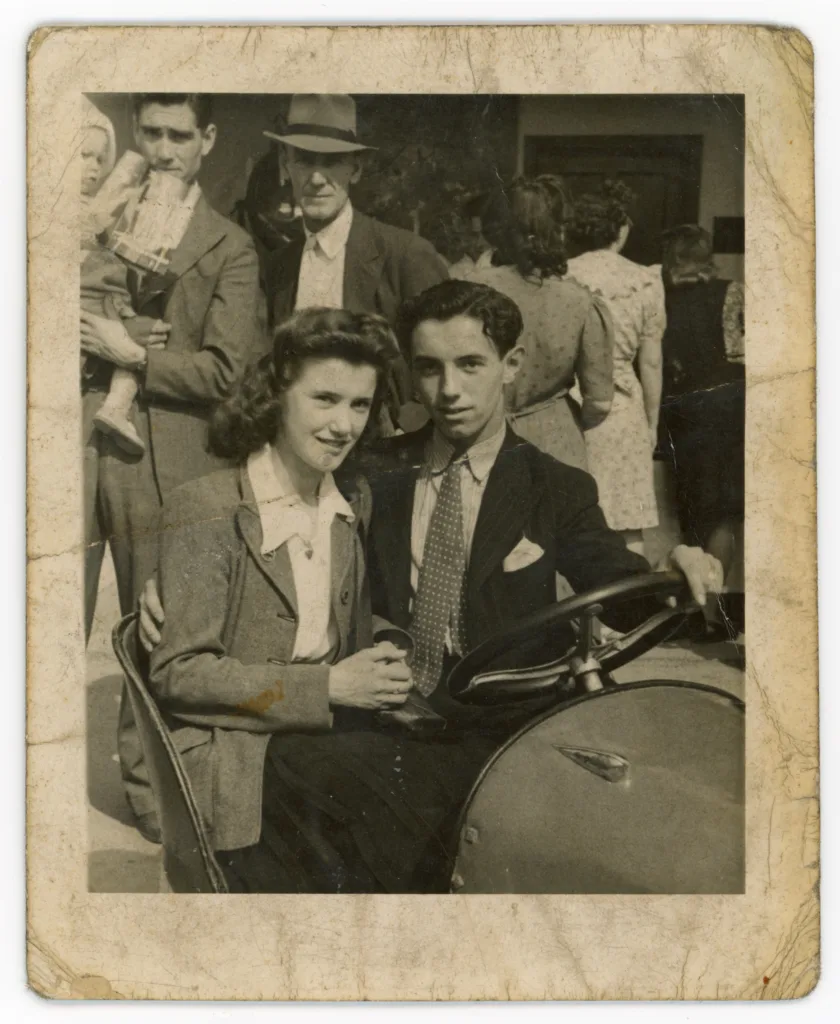
Eric met Margaret Watson at a dance hall in Odsal and the couple were married at St Columba’s Church, Tong Street on 16 October 1948, Eric aged 18 and Margaret aged 20.

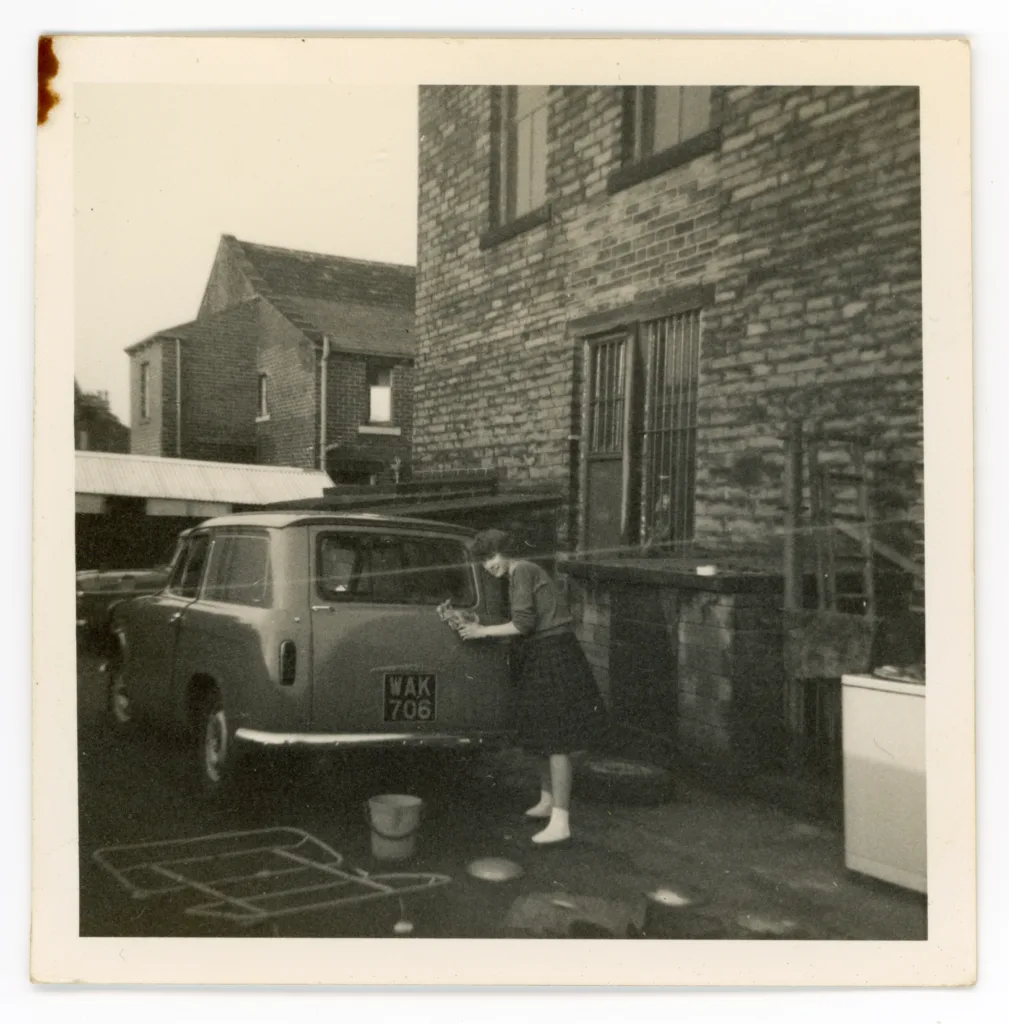
After living amongst family on Bierley estate, Eric and Margaret made the bold move to buy their first home on South View Road, East Bierley in 1959. The purchase made no sense to Eric’s mother, who couldn’t understand why anyone would trade a new council house close to family for a draughty old terraced house in what felt like a distant land.
Eric and Margaret welcomed three children of their own, Linda, Patricia and David between 1949 and 1958.
As well as concerns about limited prospects for their family in Bradford, Eric became ever more conscious of rising cold-war tensions and the global threat of nuclear weapons in the 1960s – he began to dream of a life beyond Bradford, and beyond Britain.
Eric and Margaret learned of the Assisted Passage Migration Scheme, an initiative designed to attract British citizens to a new life in Australia to bolster the country’s work-force. With little to lose, Eric and Margaret bought their £10 one-way ticket, sold everything they had in Bradford, and packed up the family for a new life, setting sail in December 1963 for a four-week journey across the globe.
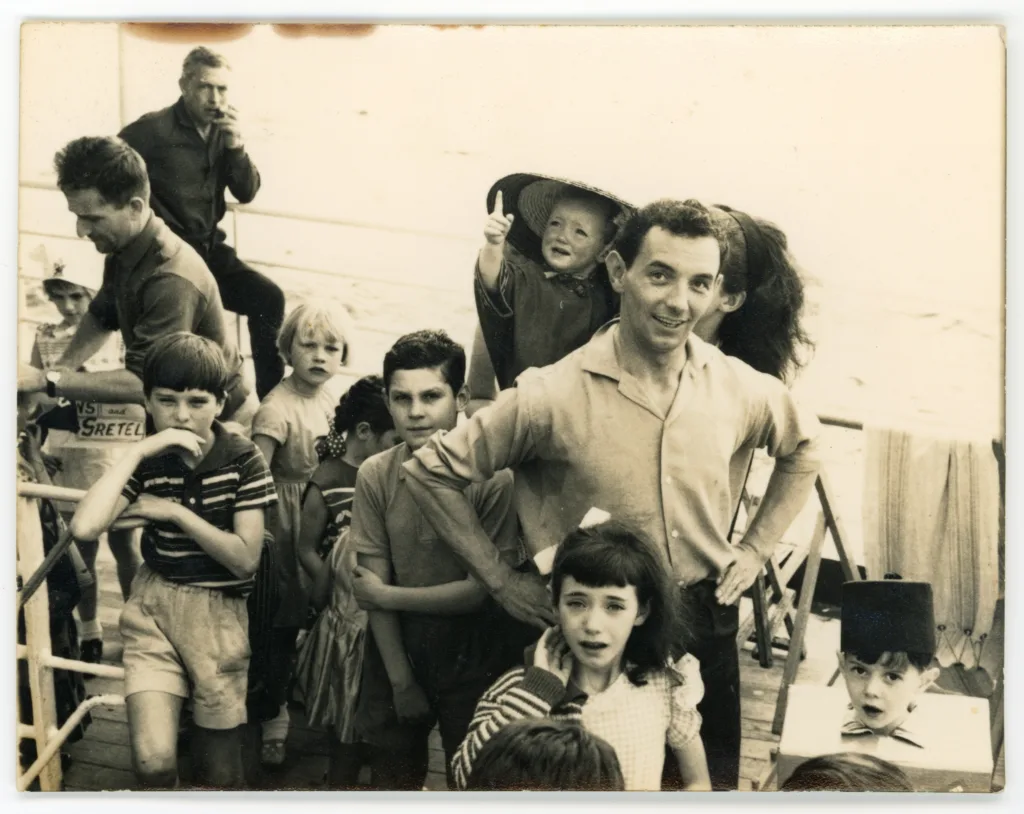
The first months of the family’s new life were hard. Five-year old David, had contracted measles on board the MS Aurelia, leading to the family spending weeks in isolation both on and off the ship. Upon arrival, the family were housed in a Nissen Hut at an immigration camp in Melbourne before flying south to Tasmania.
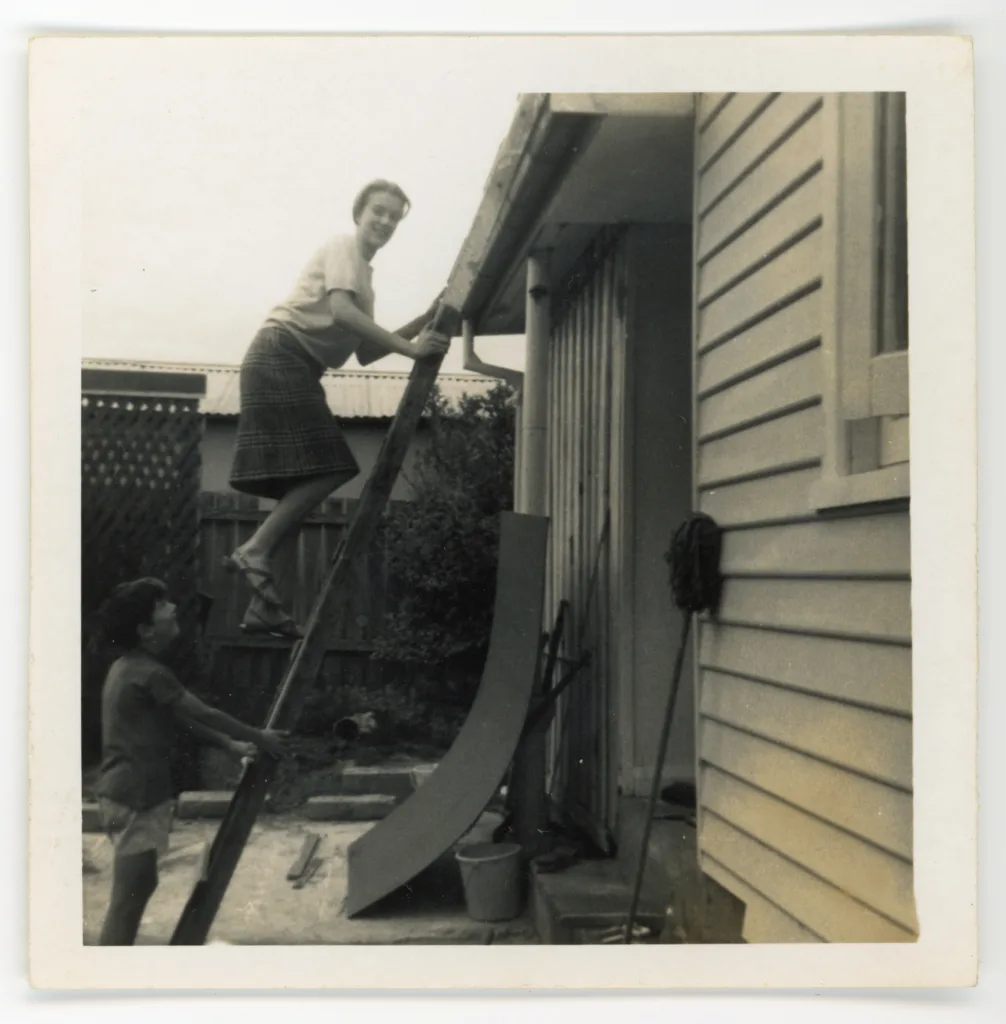

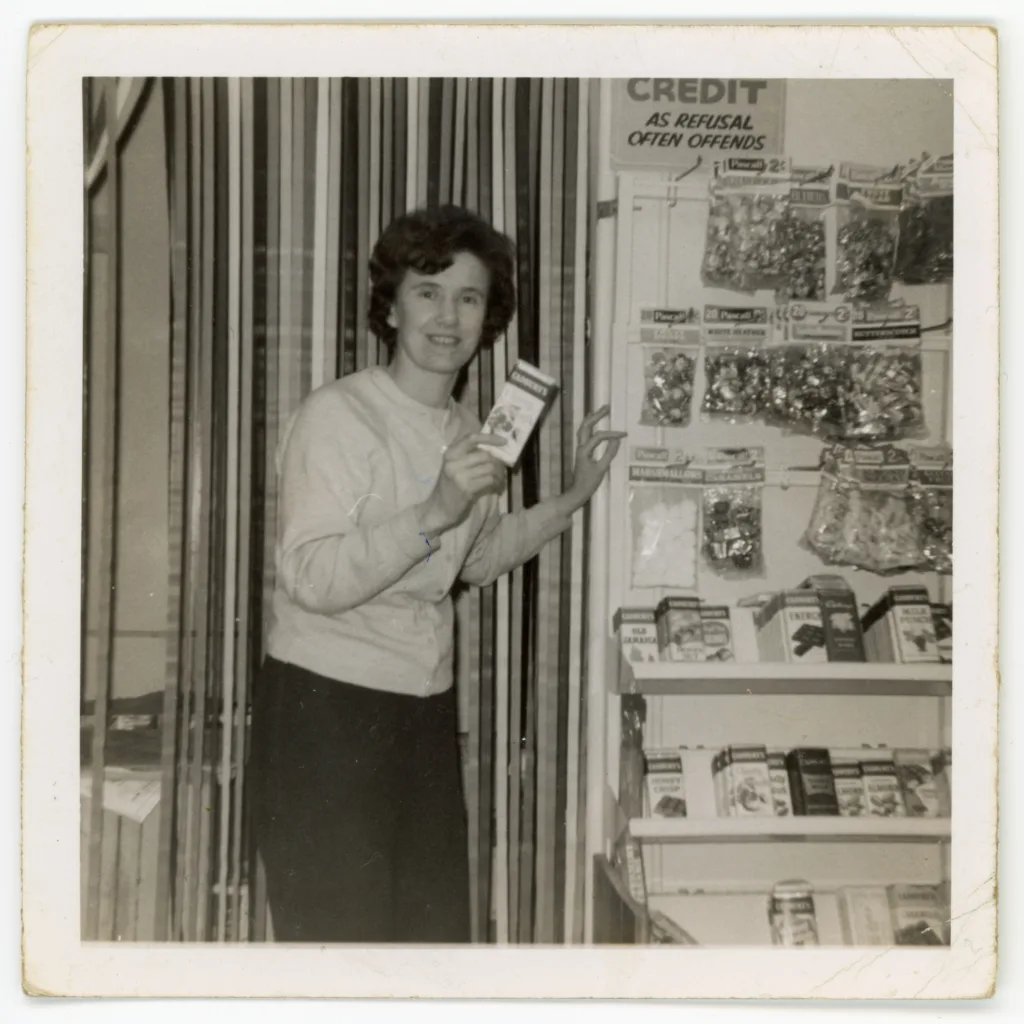
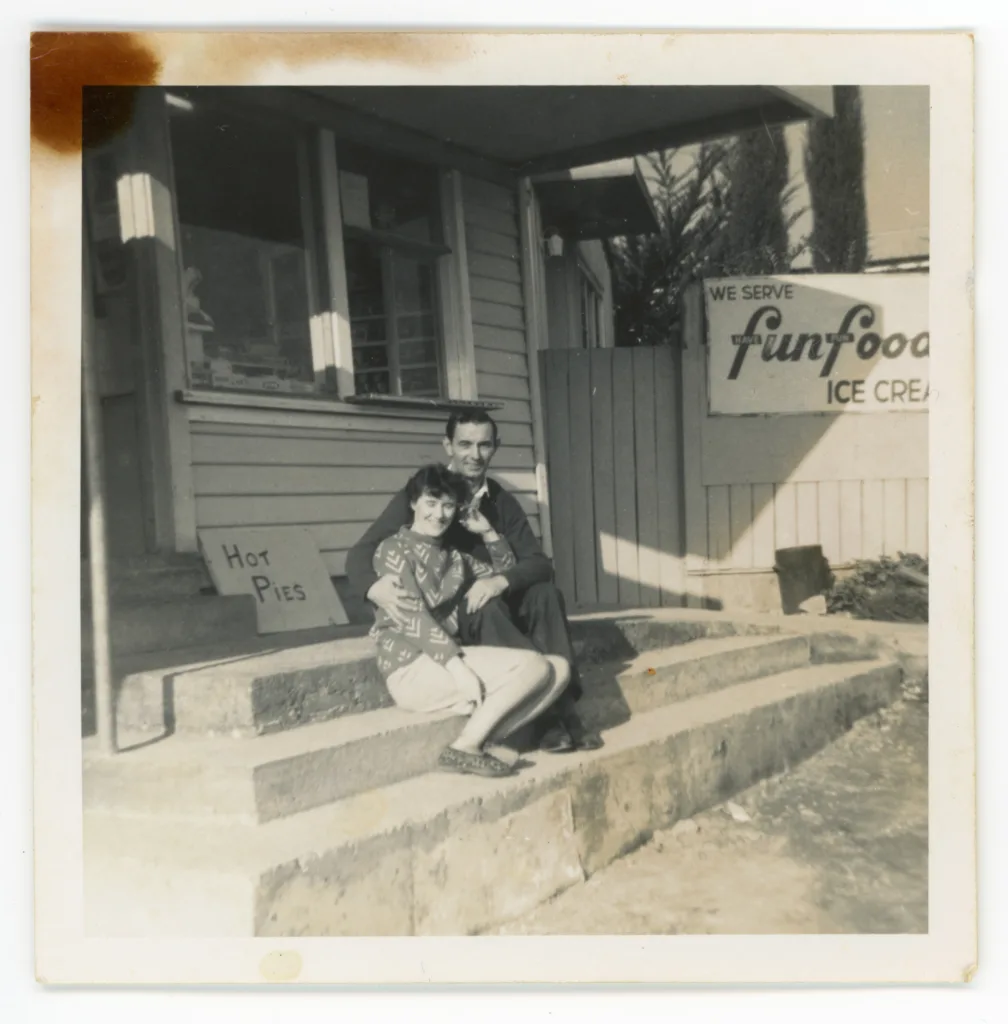
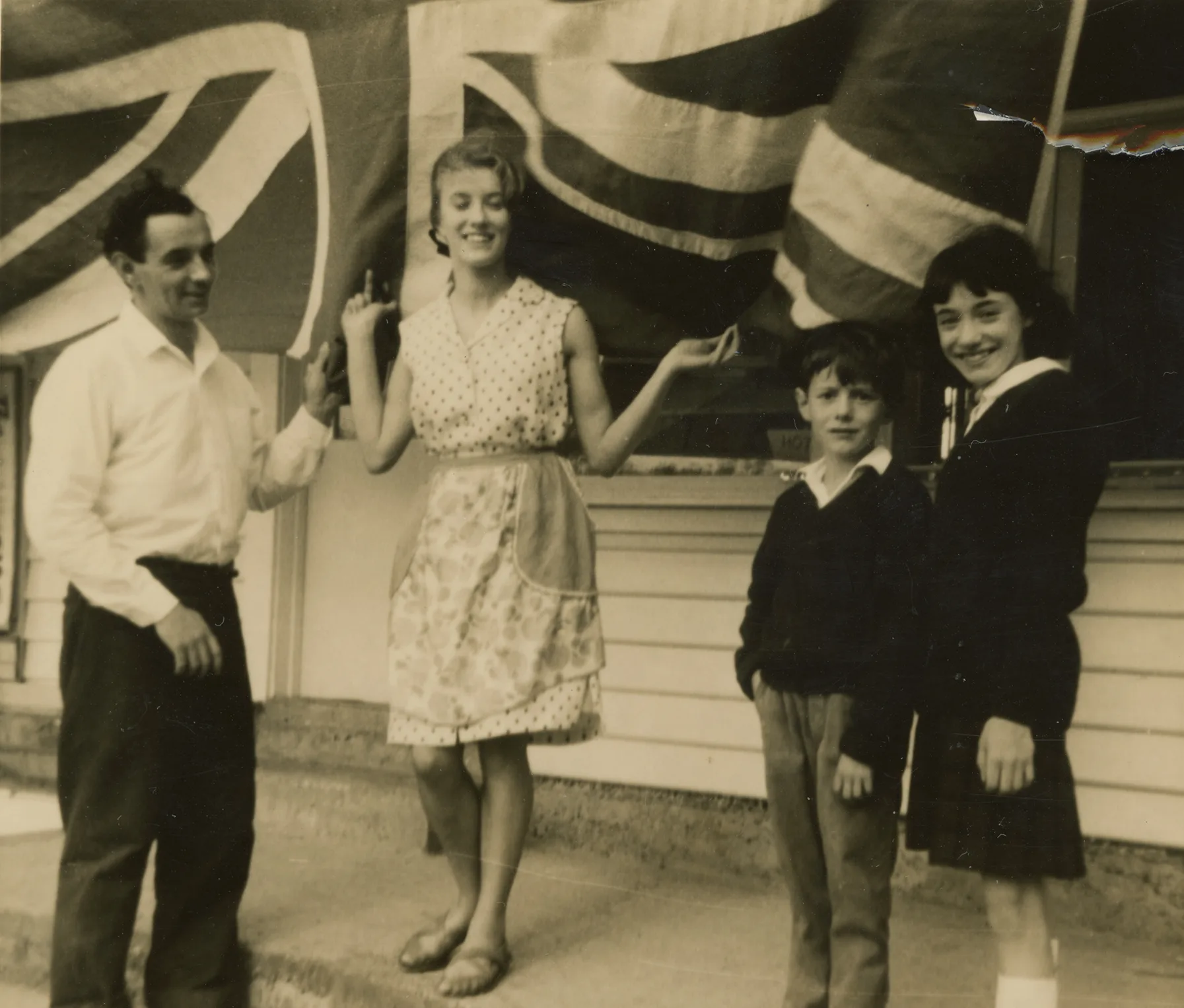
Six months into their time in Australia, Eric saw potential in a cafe business on the Channel Highway. Though initially reluctant, Margaret was convinced by her children to take the plunge.
The family renovated, repainted and restocked to create the bustling Caledonia café – which became a hub for locals as well as passing groups of tourists.
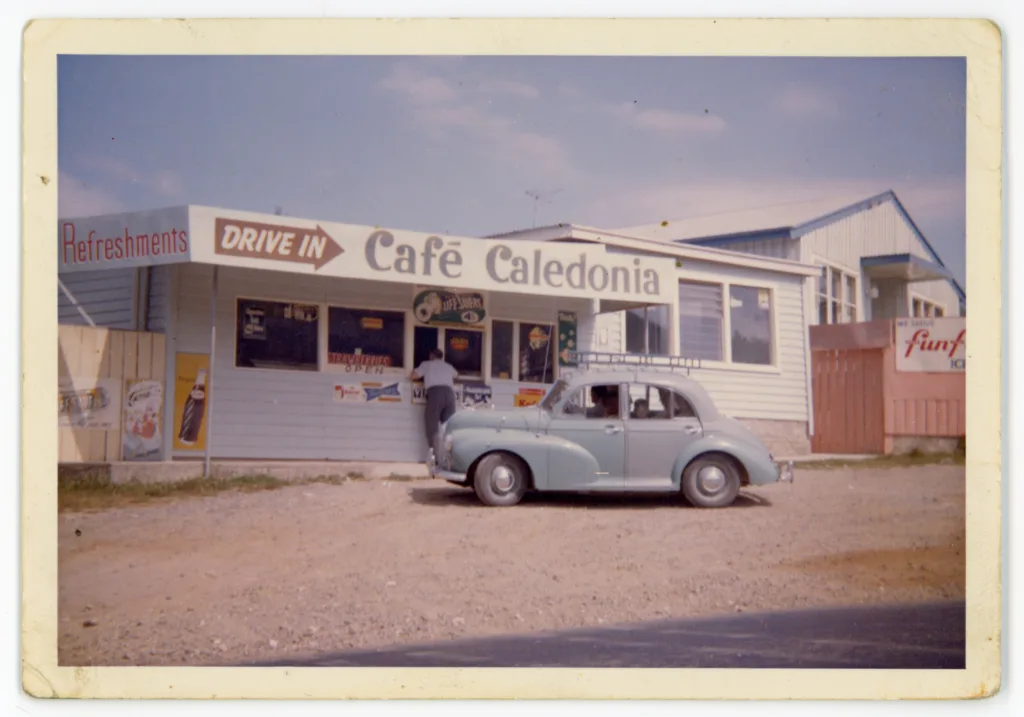
On busy days, Eric and Margaret would welcome coach loads of visitors, all keen to enjoy homemade cakes made en masse by Margaret, with Eric and Linda tending the shop. The three older Hall’s worked long hours, whilst the two youngest members of the family, Patricia and David, became ingratiated in Australian schools.
After initial teasing from Australian children for their broad northern accents, Patricia and David quickly became the envy of their peers. Beatlemania had swept the globe, and fellow pupils almost expected the two young Brits to have personal stories of mingling with the world-renowned stars.
The warm summers and outdoor lifestyle were a far cry from the family’s experience in Bradford but disaster stuck in the summer of 1967, when intense weather conditions brought bushfires to Tasmania. Caledonia Café was largely spared, in part due to Eric clearing the bushland that bordered the property just weeks before the fires took hold.
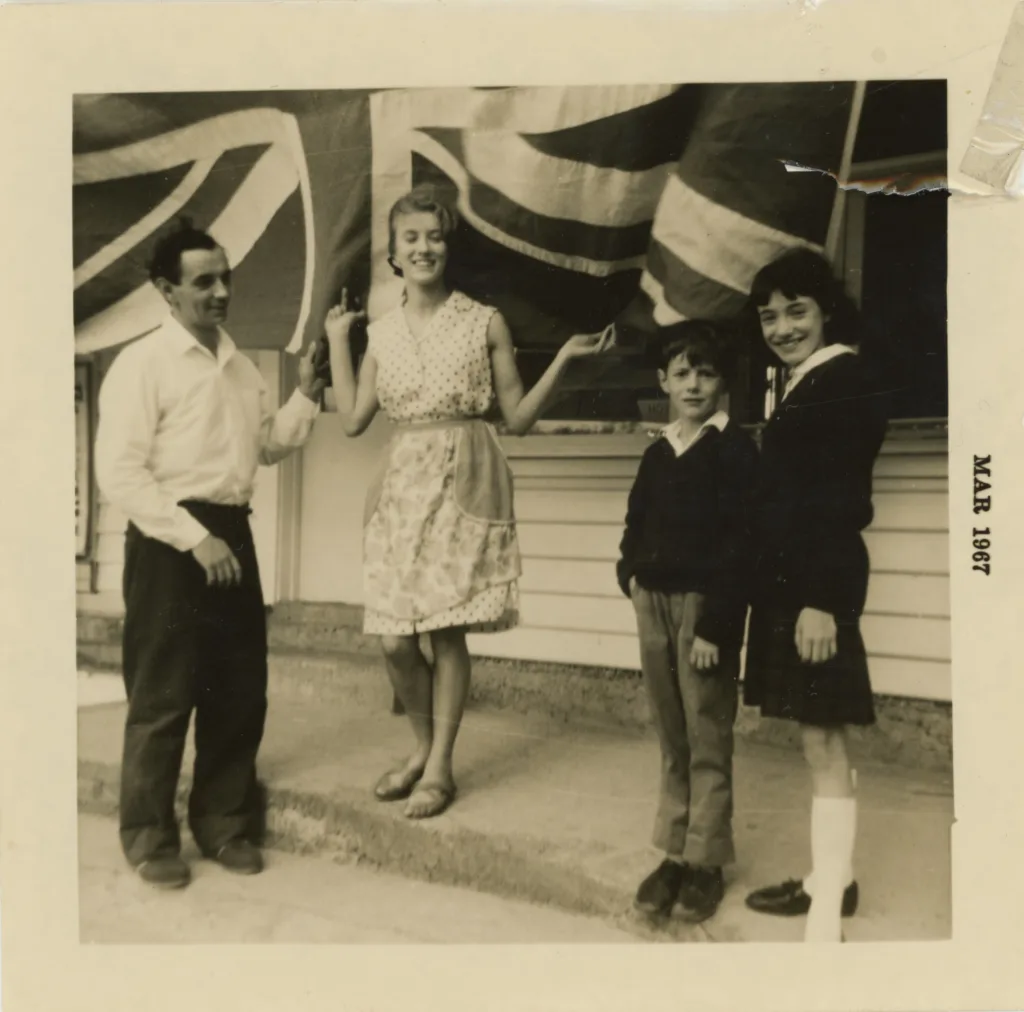
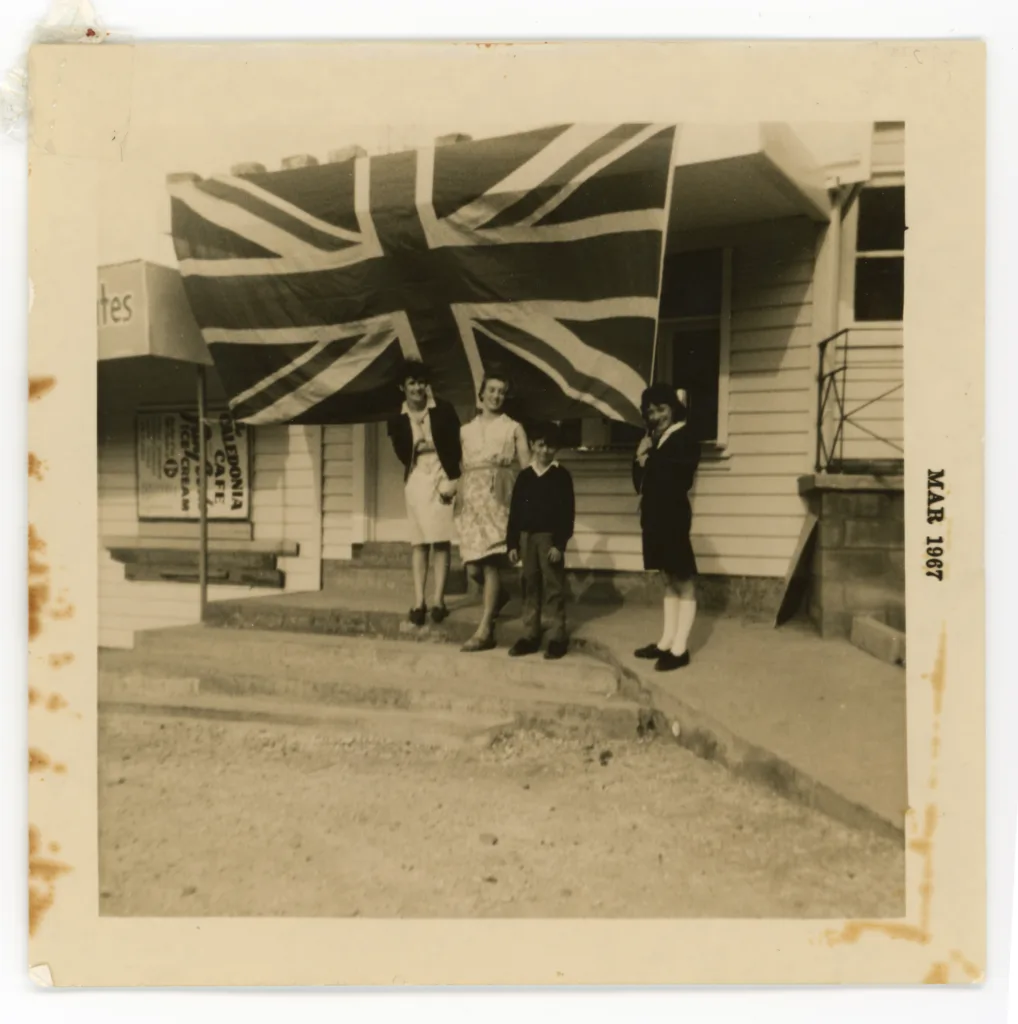
Neighbouring properties were destroyed and the community was without water, electricity and phonelines for several weeks. At the height of the fires Patricia set off for her first day at secondary school, she remained trapped with classmates – with no way to communicate with family members – for three days before rescue was possible.
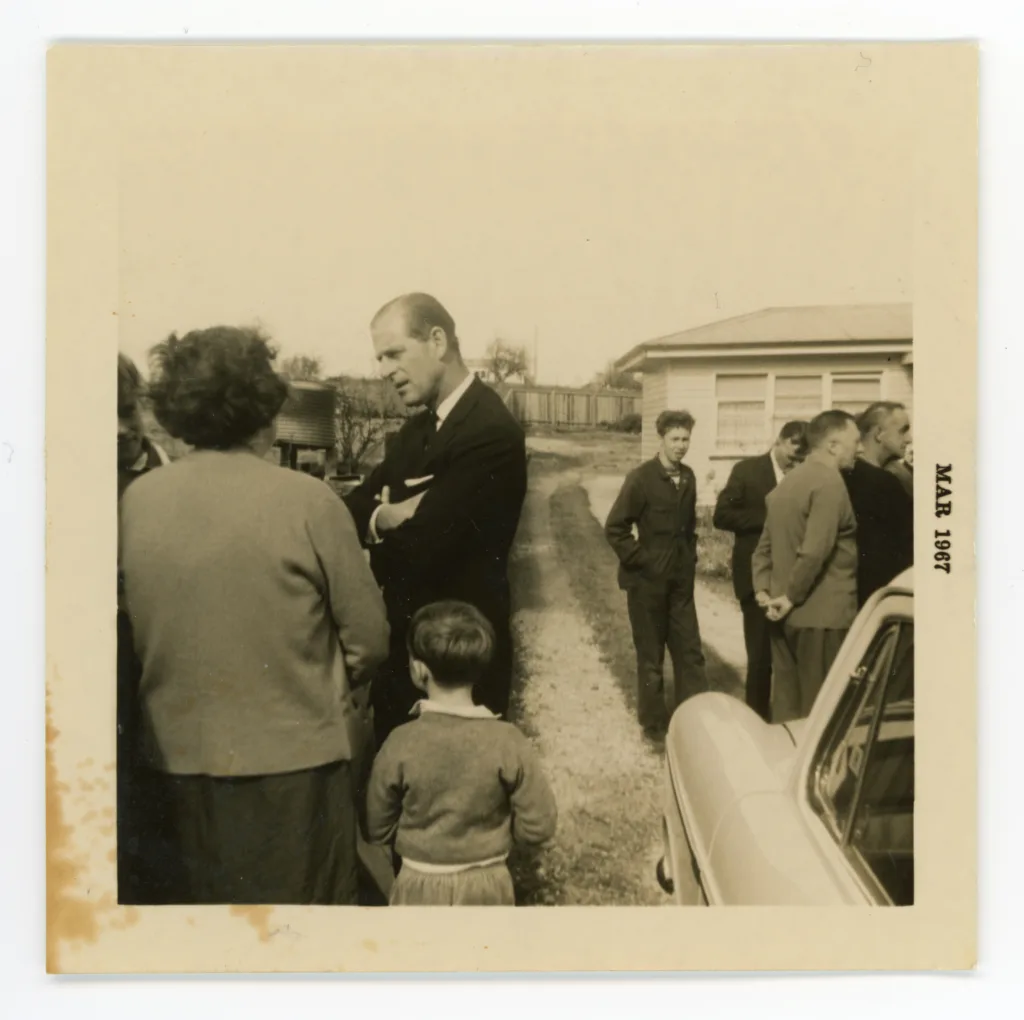
In March 1967, the Duke of Edinburgh, Prince Philip, paid a visit to Tasmania, meeting the Hall’s and other members of the community to reassure them that despite being a commonwealth outpost, they had not been forgotten by the British head of state.
By August 1967, in the wake of the fires which had threatened the family’s safety and livelihood, and in light of aging parents back home, the Hall’s decided to leave Tasmania. They sailed home on a cargo ship, driving their Hillman Imp into the ship’s hold in Devonport, and embarking on an 8-week journey back to England. When they docked at Hull, they drove off the ship and straight back home to Bierley Estate.
The Bradford the Hall’s returned to had changed significantly throughout the 1960s. Small business had closed and supermarkets had opened, local cinemas were being replaced by movie theatres in the city centre, and factories and carpet makers were disappearing from Tong High Street. Once again, Tricia and David were teased at school for their accents, though this time it was the Aussie-lilt that caused them torment.
In 1969, Eric bought a newsagents in Cleckheaton; the M62 was being built nearby and, ever the salesman, Eric would load up his car with newspapers, cigarettes and sweets to sell to the workers – after the morning rush at the shop.
Between 1945 and 1972, over a million British citizens took advantage of the Assisted Passage Scheme to Australia, becoming known as ‘Ten-pound Poms’. The incentivised immigration scheme had a significant and lasting global and social impact, reinforcing post-war British-Australian ties. For many families, the new life down under was not as advertised, with many feeling they had been promised paradise, but experiencing hardship on arrival. The Hall family’s boomerang journey traversed its own trajectory, marked by challenges and change, but also by fond memories of the Caledonia Café and five eventful years filled with both hard work and quiet adventure.